
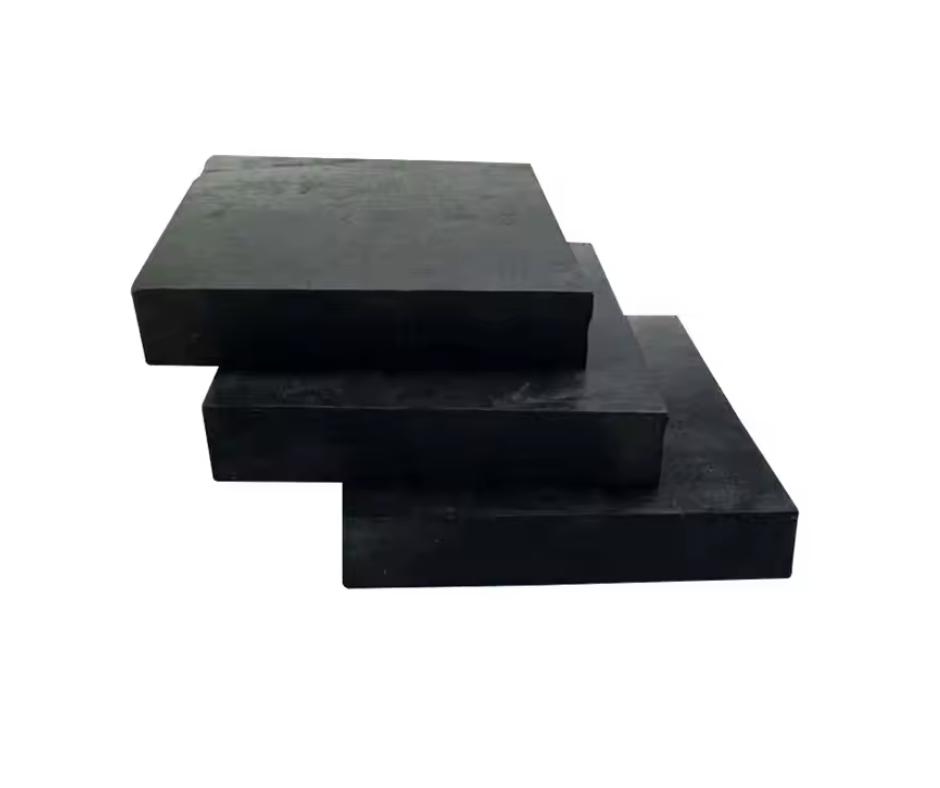
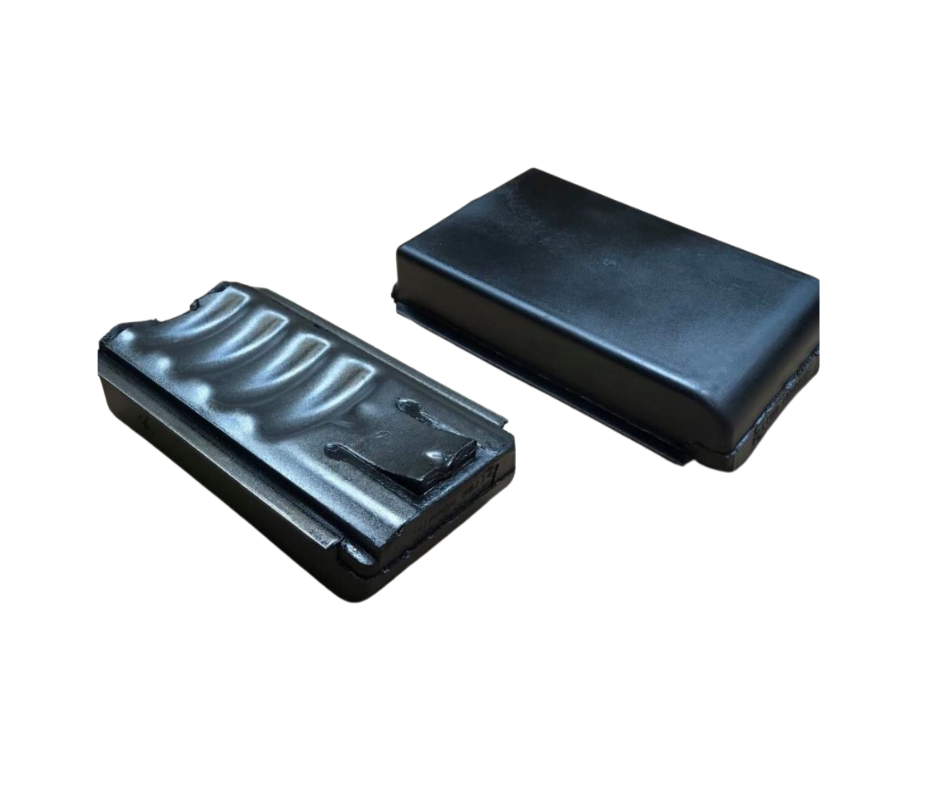
Elastomeric Bridge Bearings are essential structural components, comprised of layered elastomer and steel. They provide vital support for bridge superstructures, enabling controlled movement caused by temperature changes and traffic. Critically, they also dampen vibrations and absorb shocks, contributing to the bridge's long-term stability and performance.
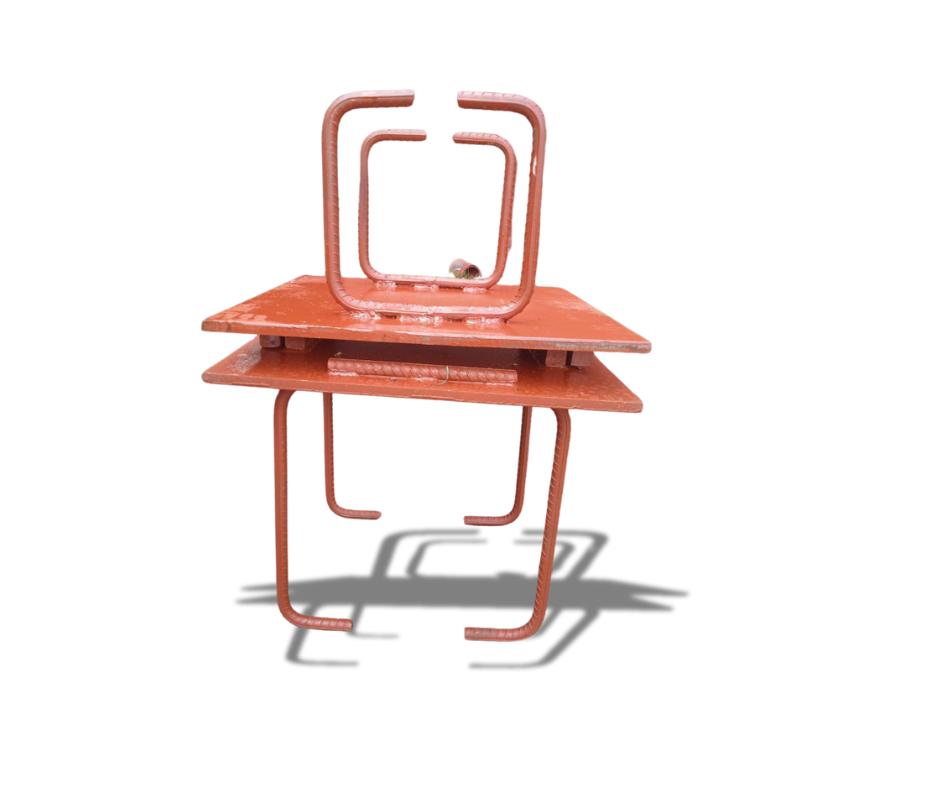
Stopper Steel components are engineered steel elements designed to limit and control the movement of bridge superstructures. They act as mechanical stops, preventing excessive lateral or longitudinal displacement, particularly under extreme loads or seismic events. This ensures structural integrity and prevents damage, working in conjunction with elastomeric bearings to maintain bridge stability.
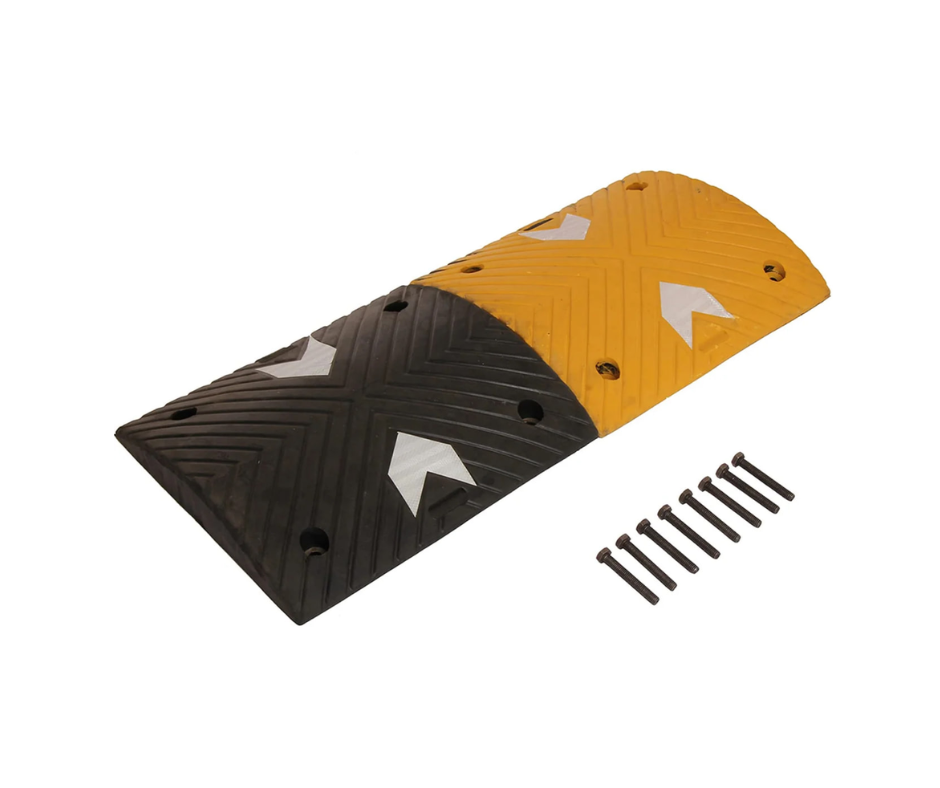
Rubber Speed Breakers are traffic calming devices constructed from durable rubber materials. Designed to reduce vehicle speeds, they feature raised profiles that create a physical barrier, prompting drivers to slow down. Commonly used in parking lots, residential areas, and school zones, they enhance pedestrian safety and traffic flow by discouraging excessive speeds and promoting a controlled driving environment
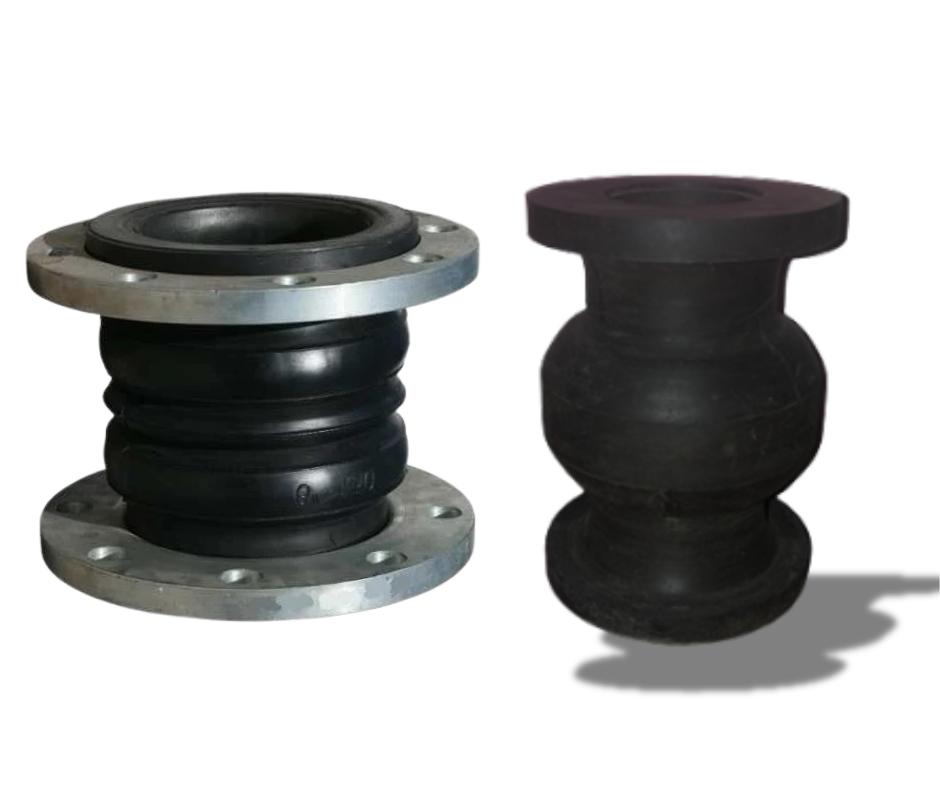
Flexible connectors designed for piping systems, ductwork, and other fluid or gas transfer applications. These joints utilize elastic rubber materials, often reinforced with fabric or metal, to absorb movement caused by thermal expansion and contraction, vibration, and minor misalignments. They are essential for preventing stress and damage to piping systems, ensuring system integrity and longevity across a wide range of industrial and commercial applications.
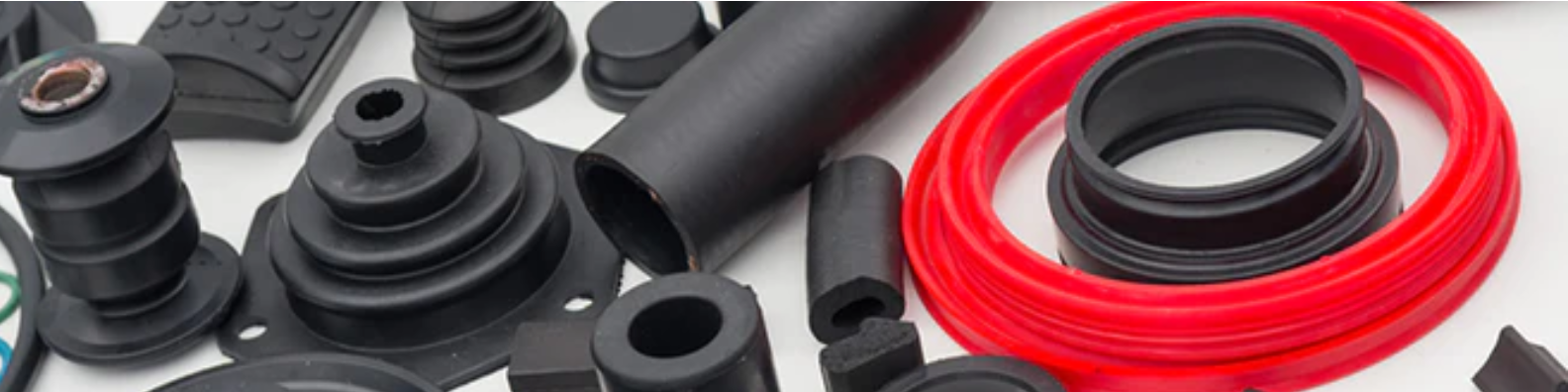
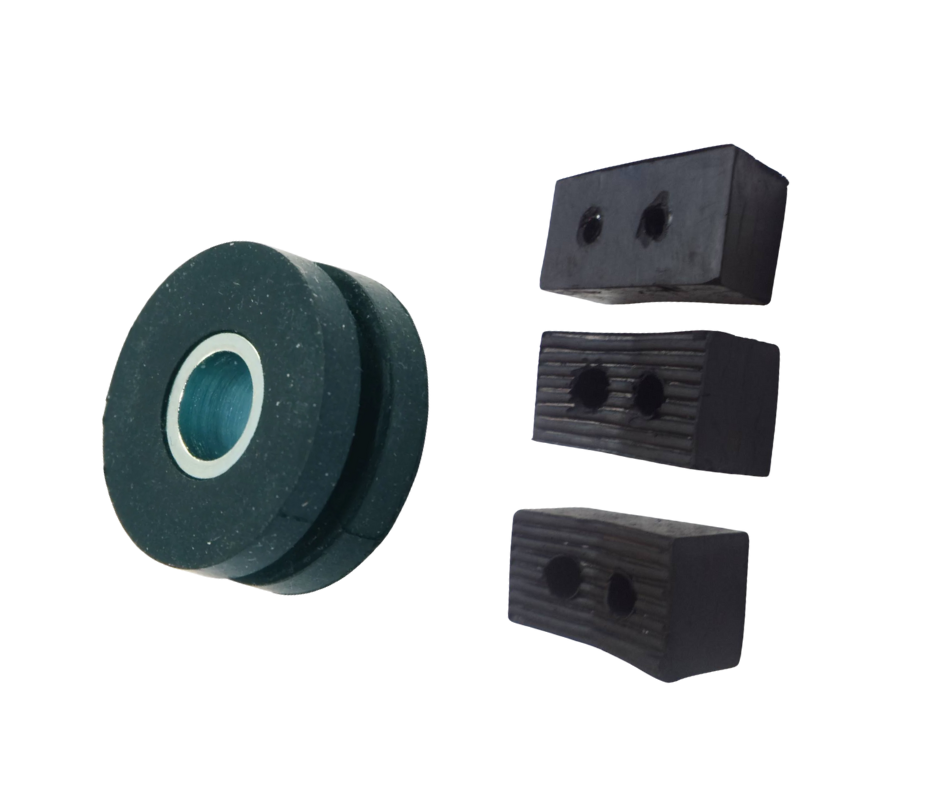
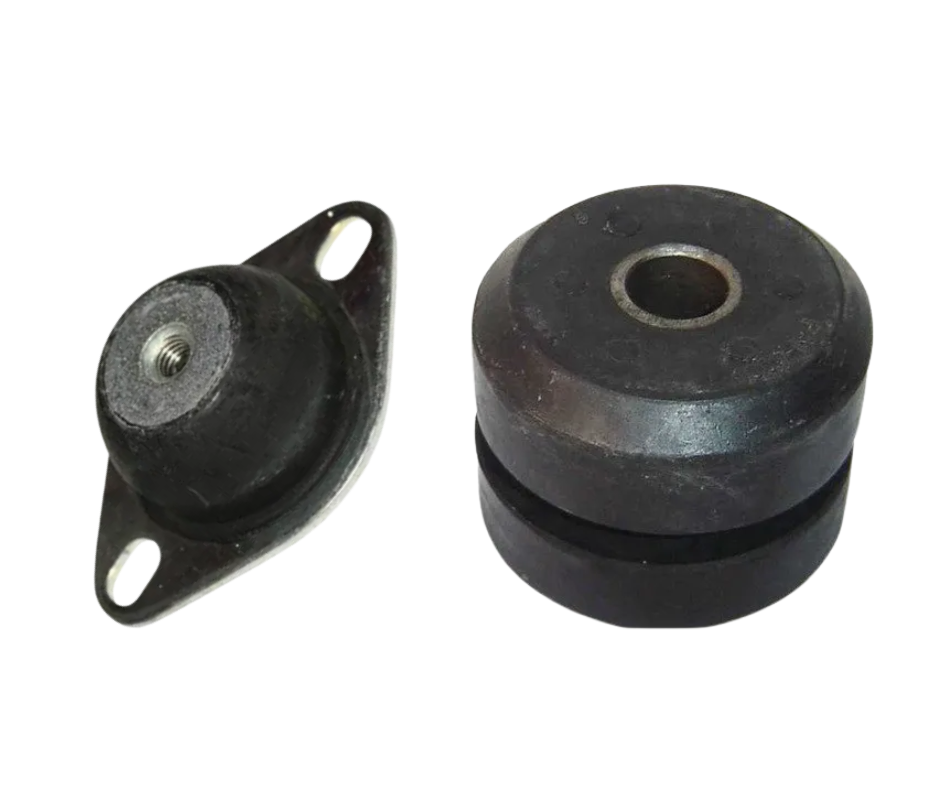
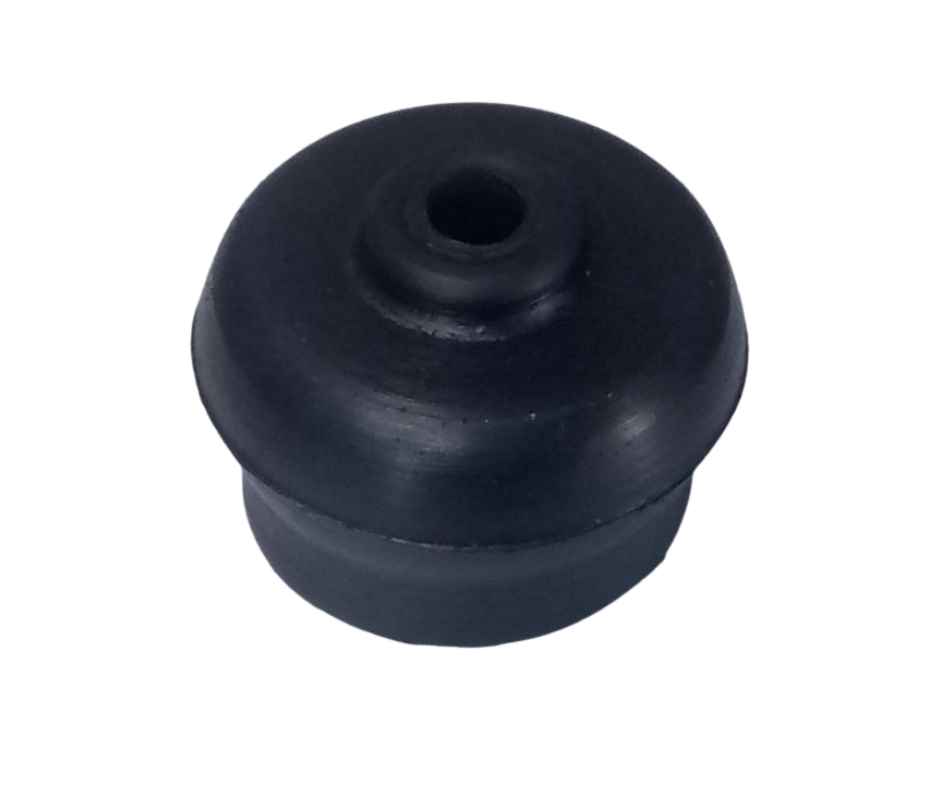
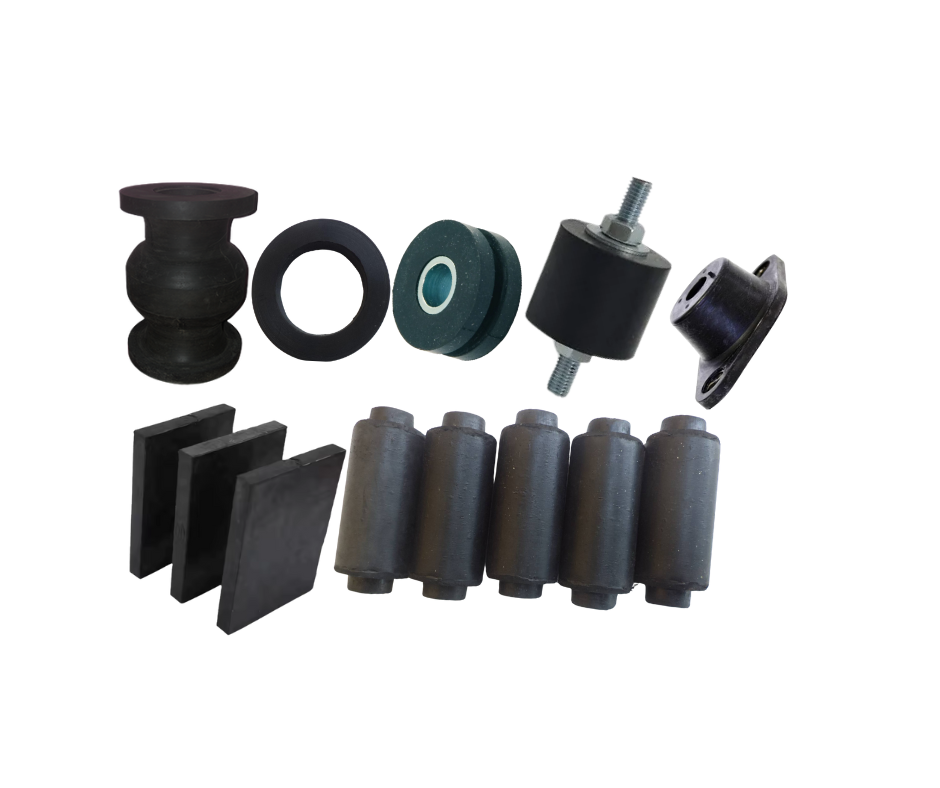
Metal-Bonded Rubber Bushings integrate rubber and metal for enhanced performance. These components absorb vibrations and minimize noise in demanding environments. They offer controlled movement and exceptional durability.
A traffic calming device made of durable rubber, designed to reduce vehicle speed and improve safety on roads and in parking lots.
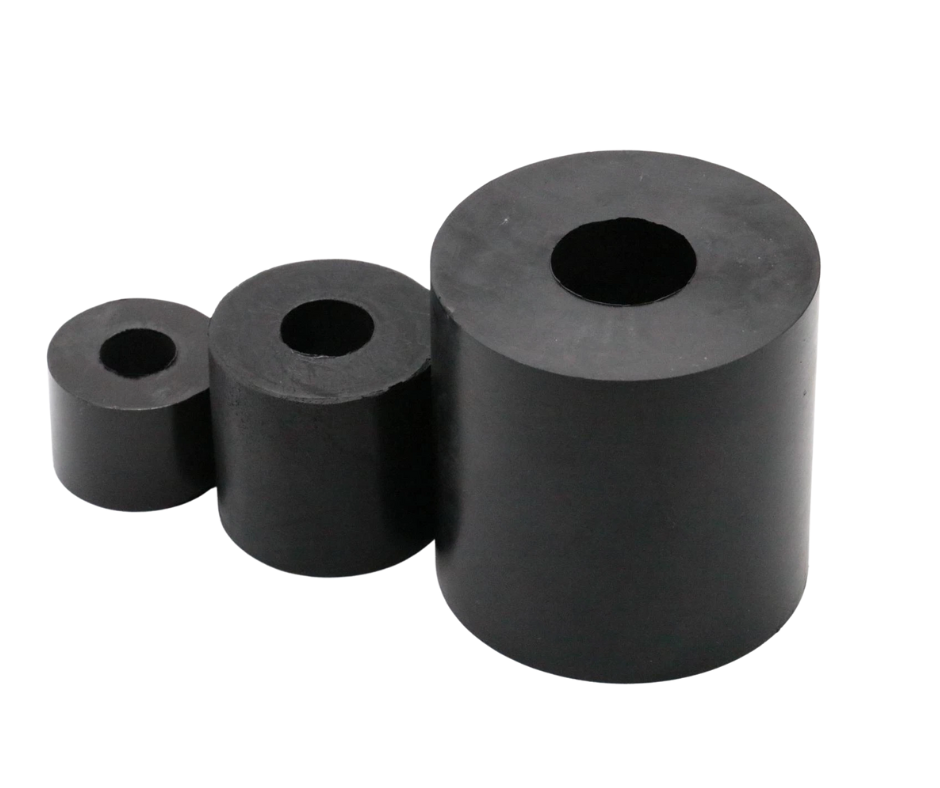
Provides cushioning, vibration dampening, and structural support in various applications, depending on the specific design and use case.
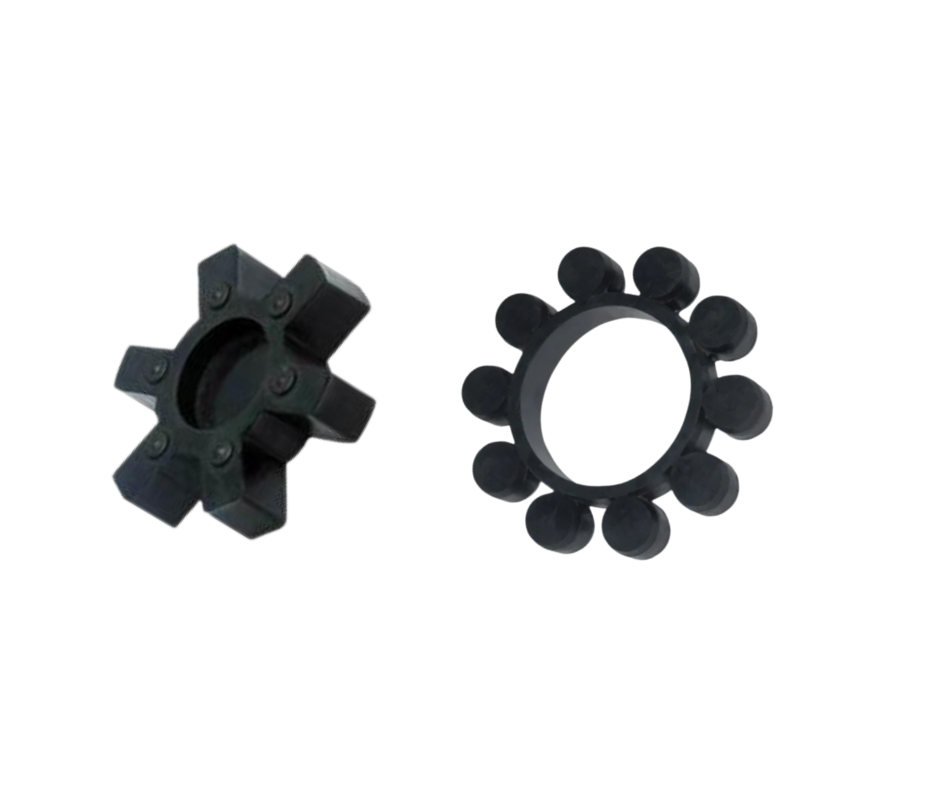
Acts as a flexible element in star couplings, absorbing shock and vibration between connected shafts, and compensating for misalignment.
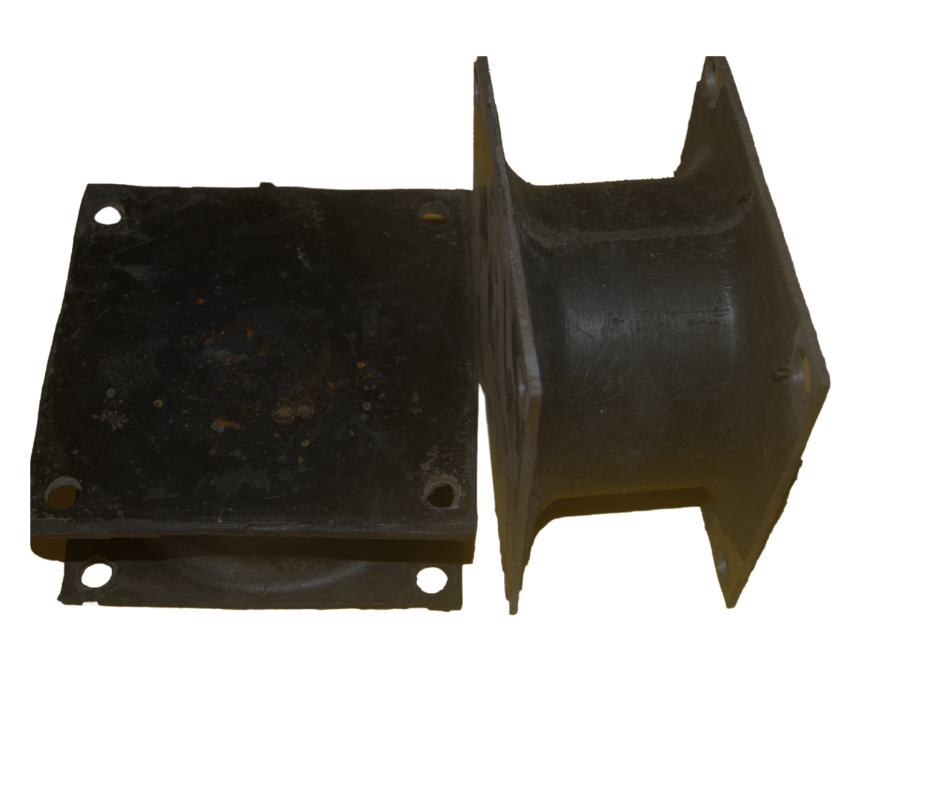
A component made of rubber or a combination of rubber and other materials, designed to absorb and dampen shocks and vibrations, providing cushioning and reducing impact in various mechanical systems, including vehicles, machinery, and structures
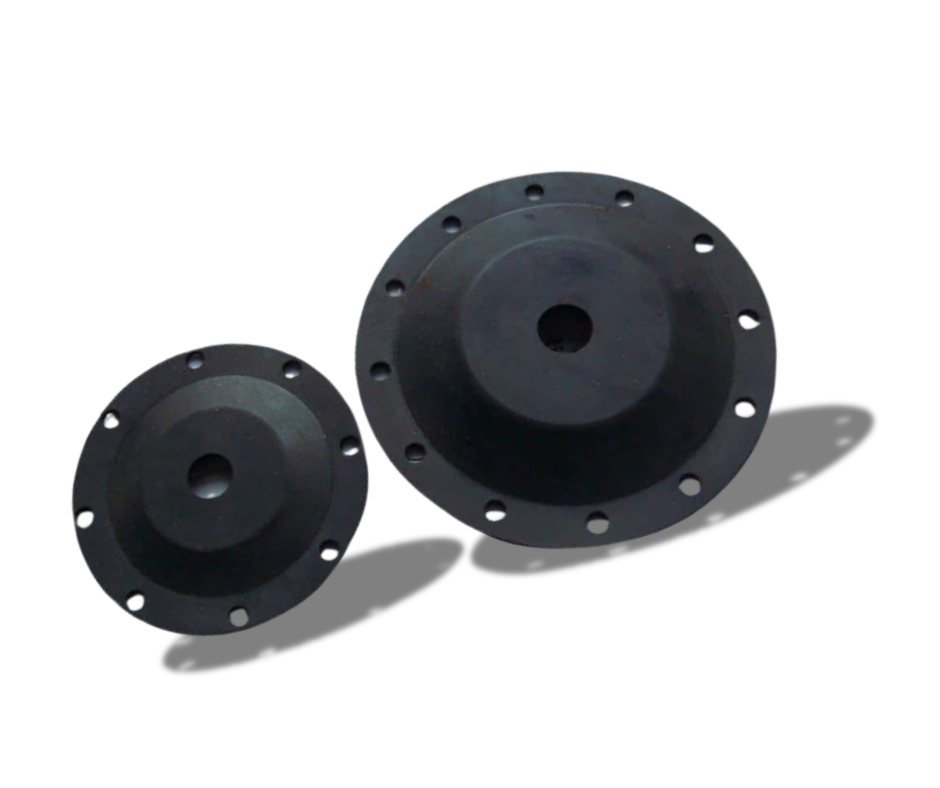
A flexible membrane used in pumps, valves, and actuators to separate chambers and transmit pressure or motion, enabling fluid or gas control.
A component made of elastic rubber designed to absorb and reduce vibrations, thereby minimising noise, preventing damage, and improving the performance and lifespan of machinery or structures.
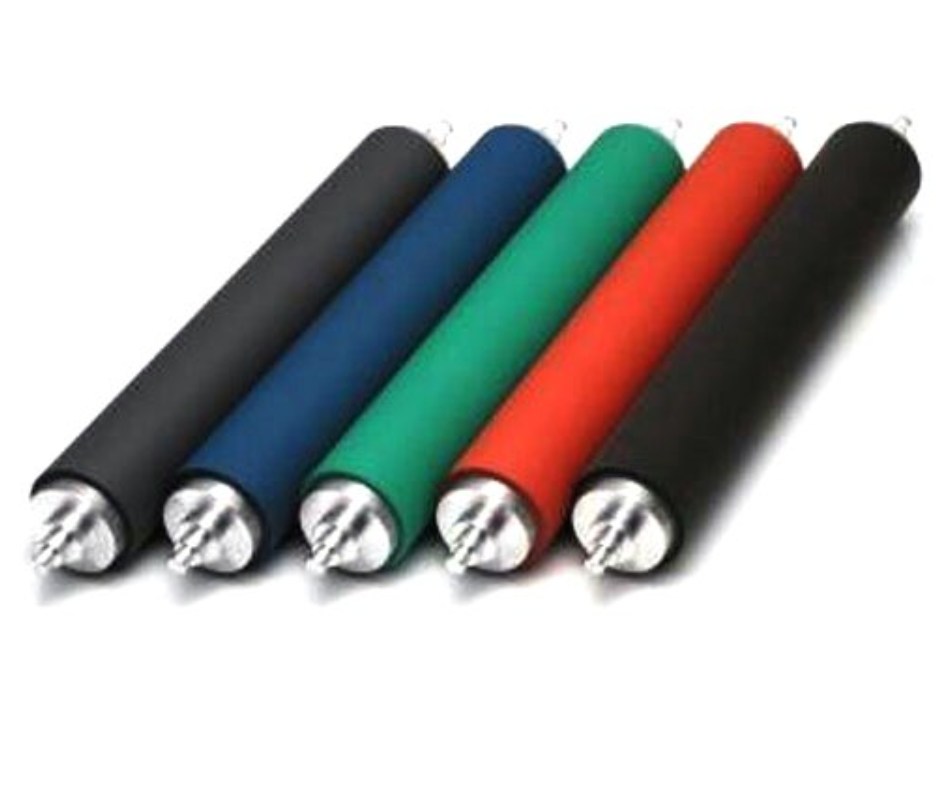
Used in various industrial applications for conveying, pressing, or coating materials. The rubber surface provides grip, flexibility, and resistance to wear, depending on the specific application and rubber compound used.
A rubber component that is part of a vehicle's gear shift mechanism. It is designed to provide a comfortable and secure grip for the operator when changing gears. Additionally, it serves to dampen vibrations transmitted through the gear shift lever, enhancing the overall user experience.
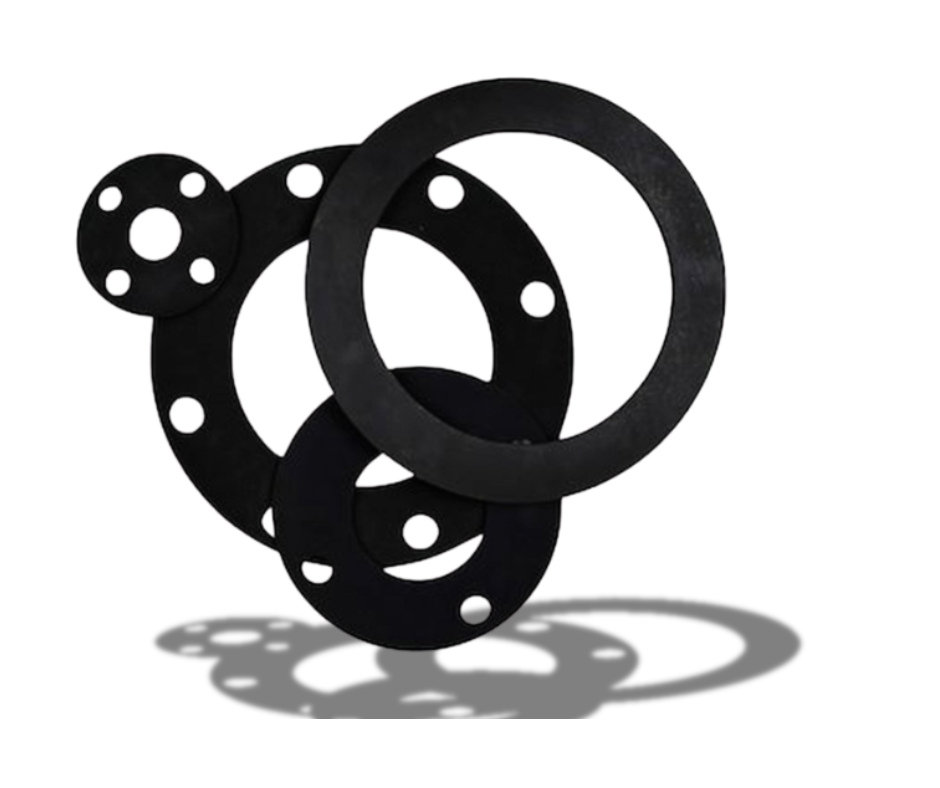
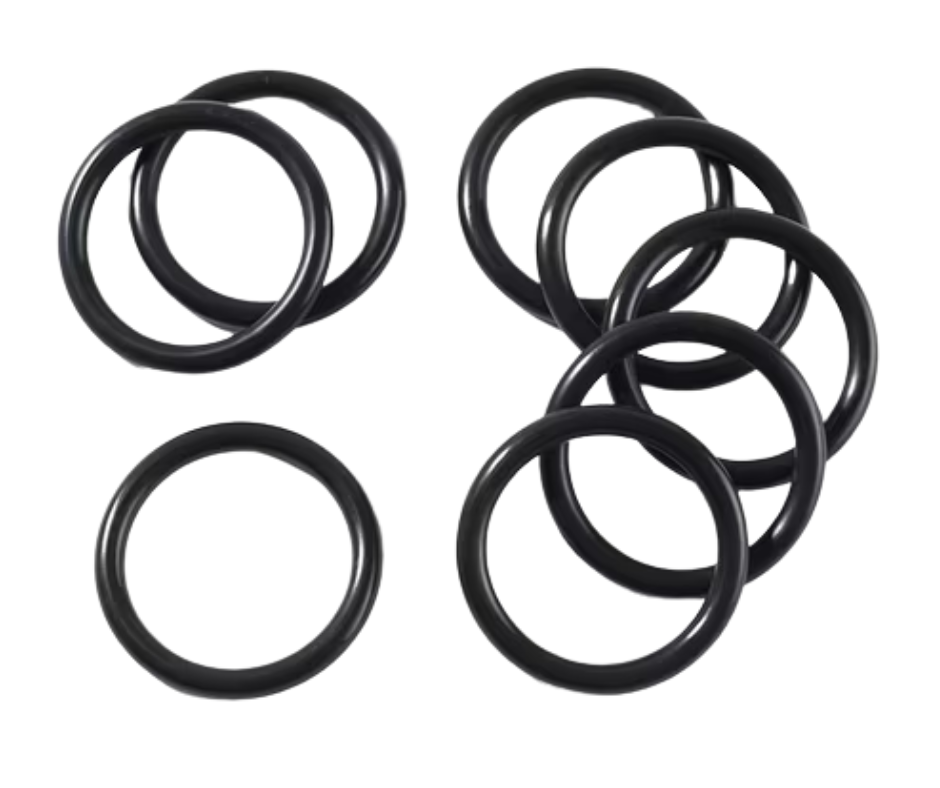
Provides a seal between two surfaces, preventing leaks of liquids or gases, and often used to absorb vibration or compensate for surface irregularities.
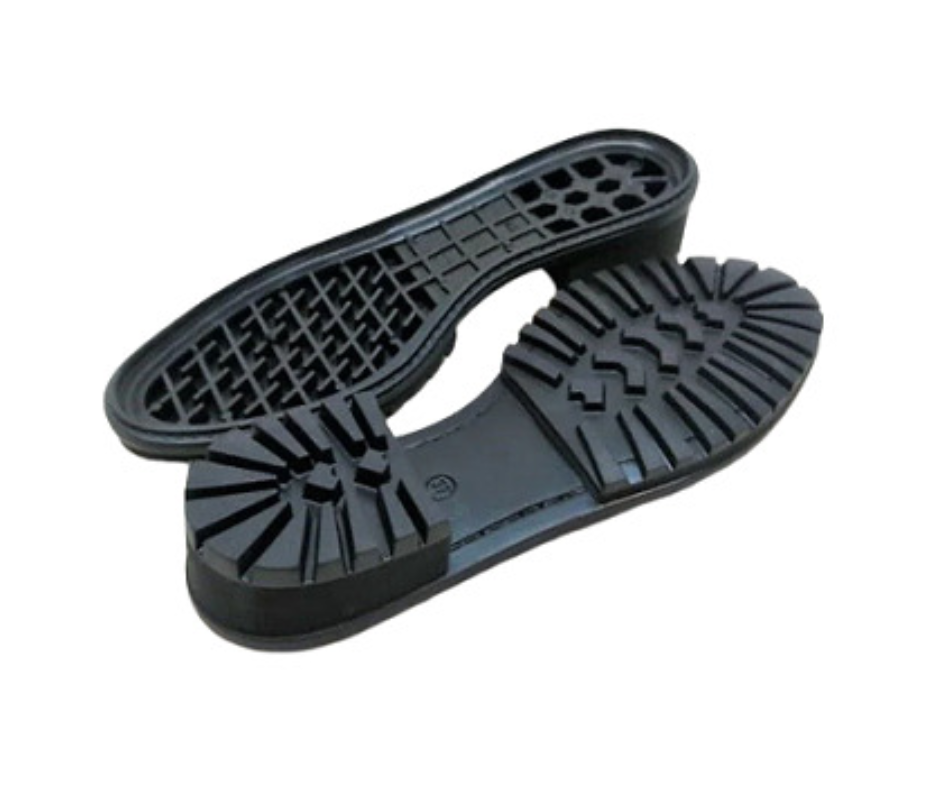
Provide durable traction, flexibility, and water resistance for footwear, offering comfort and protection in various environments during walking or other activities.
Water and Oil Seals prevent leakage of both water and oil from pumps, machinery, and other equipment. These seals are designed to maintain a tight barrier, ensuring efficient operation and preventing fluid loss in a variety of industrial and mechanical applications.
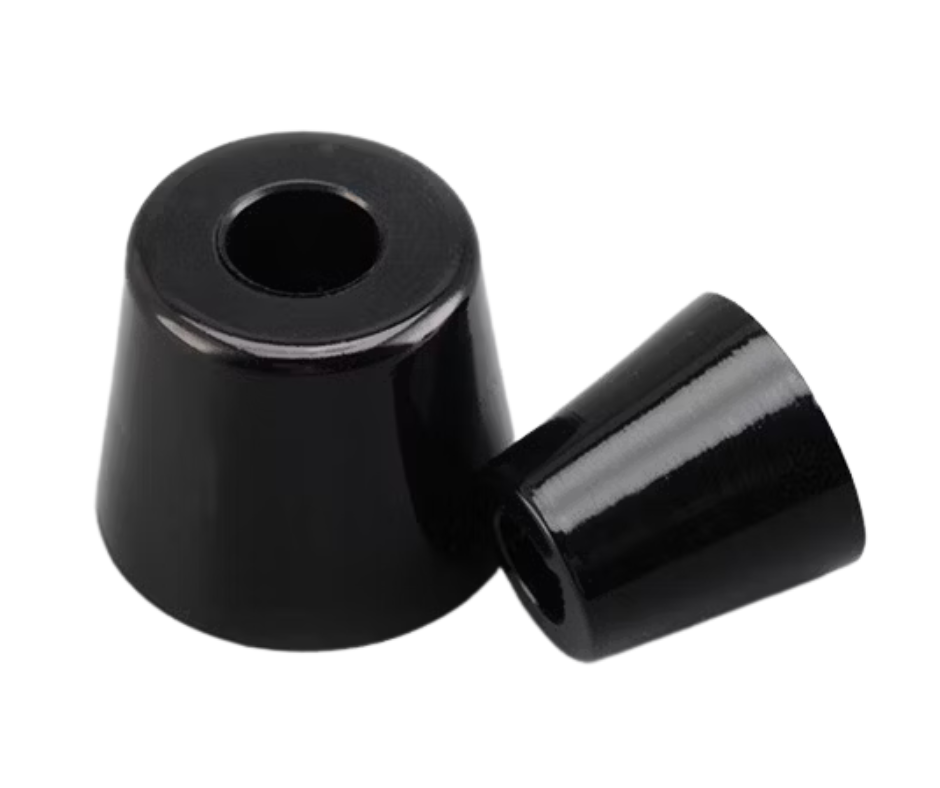
Rubber crunch footing helps to create stable and safe surfaces. They're strong and cushiony, making them useful for things that need good grip and support, like walking aids or equipment stands.
A rubber component designed and manufactured to meet specific customer requirements, tailored in terms of material, shape, size, and performance characteristics for unique applications.